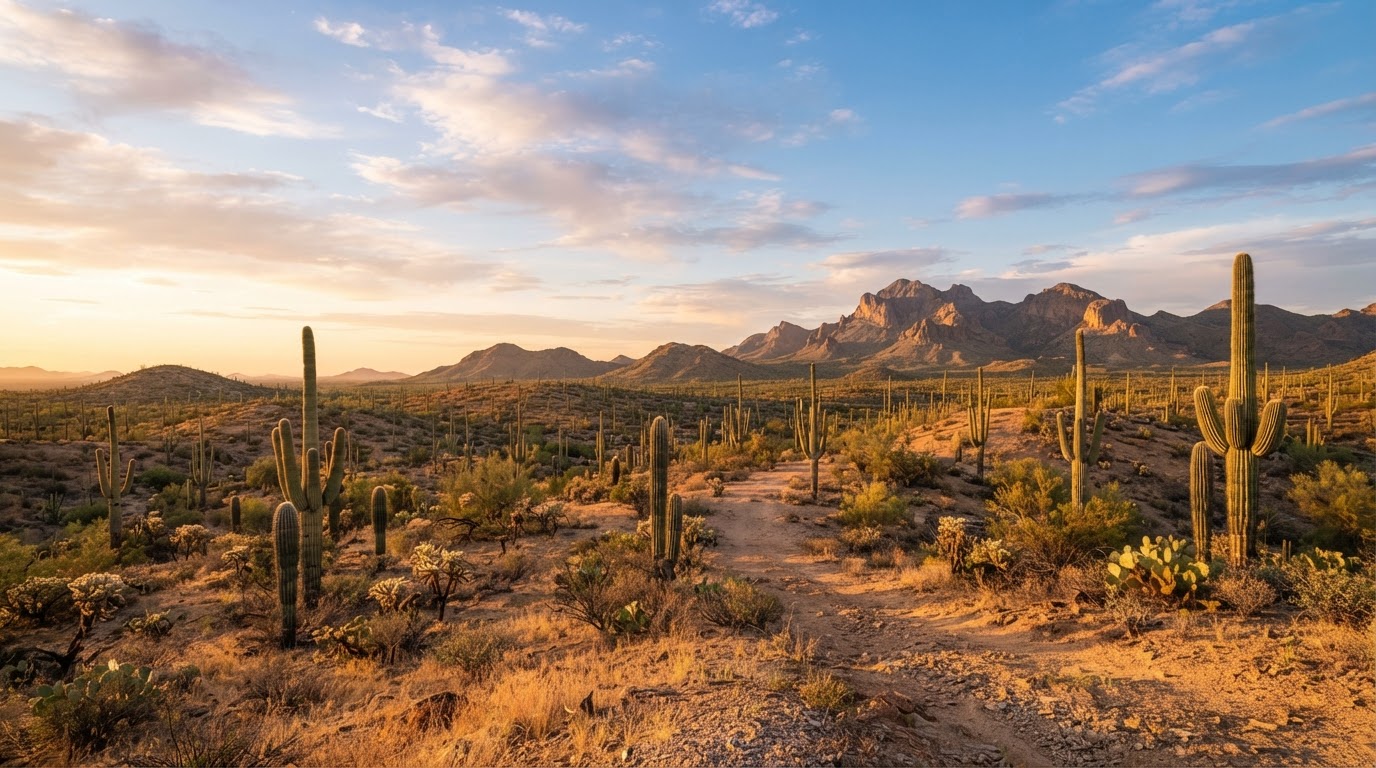
Arizona desert landscape near San Tan Valley
Homeowner Knowledge Hub

San Tan Valley Plumbing & Water Guides

Practical, verified advice on Arizona hard water softeners, water heater selection, PRVs, slab leak detection, and drain care grounded in real Pinal County service experience.

Water Treatment
5 min read

How Hard Water Affects Homes in San Tan Valley & Why Softeners Help

Arizona tap water averages 15 to 25+ grains per gallon of mineral hardness. Learn how scale buildup damages appliances and how softeners protect your plumbing.

Direct Answer: Tap water in San Tan Valley and Pinal County is naturally very hard (typically 15 to 25+ grains per gallon). Without water treatment, dissolved calcium and magnesium precipitate out when water is heated or evaporates, forming crusty mineral scale that destroys water heater heating elements, clogs faucet aerators, ruins shower glass, and shortens appliance lifespans by up to 50%.

The Science of Pinal County Hard Water

San Tan Valley water originates from groundwater wells and Colorado River canal blends that pass through limestone and mineral-rich desert rock. As the water travels, it dissolves heavy concentrations of calcium carbonate and magnesium. While safe to drink, this mineral content creates relentless mineral scale throughout household plumbing.

Why Heating Water Accelerates Scale Damage

Hard water scale forms fastest inside hot water systems. When hard water hits 120°F inside a tank or tankless water heater, calcium minerals drop out of solution and solidify on heating elements or heat exchanger walls. A 1/16-inch layer of scale acts as an insulating barrier, reducing heat transfer efficiency by up to 15% and causing heating elements to overheat and burn out prematurely.

How an Ion-Exchange Water Softener Solves the Issue

A whole-house water softener uses food-grade resin beads charged with sodium or potassium ions. As hard water flows through the mineral tank, calcium and magnesium ions swap places with sodium ions. The result is zero-grain soft water that protects your water heater, appliances, and fixtures across your entire home.

Hard Water vs. Softened Water Performance in Arizona Homes
Property / FeatureRaw AZ Hard Water (15-25 GPG)Softened Water (0-1 GPG)
Tank Water Heater Lifespan6 to 8 years (heavy sediment)10 to 12+ years (clean tank)
Dishwasher & Washer Soap UseRequires 100% full detergentRequires 50% less detergent
Fixture & Glass AppearanceHeavy white crust & spottingSpot-free, crystal clean
Skin & Hair After ShoweringDry, itchy skin & stiff hairSmooth skin & soft hair

Key Takeaways

  • San Tan Valley water averages 15 to 25+ GPG hardness.
  • Whole-house softeners protect water heaters, dishwashers, and shower glass.
  • Green Titan 1000 and Green Fusion systems are popular local choices for Pinal County homes.
Water Heaters
6 min read

Tank vs. Tankless Water Heaters: Which Is Right for Your San Tan Valley Home?

Comparing upfront installation costs, energy bills, lifespan, and maintenance requirements for traditional tank vs modern tankless units in East Valley homes.

Direct Answer: Tankless water heaters provide continuous, endless hot water and last 15-20 years, but require higher initial installation investment and annual descaling flushes. Traditional 40- or 50-gallon tank water heaters cost less upfront and install quickly, but last 8-12 years and constantly consume energy maintaining a stored tank of hot water.

Leak Repair
5 min read

5 Warning Signs of a Slab Leak Under Your Arizona Concrete Foundation

How to spot under-slab copper pipe pinholes early, understand non-invasive acoustic detection, and protect your San Tan Valley home's slab foundation.

Direct Answer: The 5 most common warning signs of a slab leak under an Arizona concrete slab are: an unexplained spike in your monthly water bill, warm spots on tile or concrete floors, the sound of rushing water when all faucets are shut off, damp carpets/baseboards, and a spinning water meter leak indicator.

Pressure Regulators
4 min read

PRVs & Water Pressure: Why High City Pressure Damages San Tan Valley Fixtures

San Tan Valley municipal water mains can push 90 to 120+ PSI into homes. Learn how a Pressure Reducing Valve (PRV) set at 65-70 PSI protects your pipes and water heater.

Direct Answer: Municipal water supply lines in expanding San Tan Valley developments often operate at high pressure (85 to 120+ PSI) to supply growing neighborhoods. However, residential plumbing codes recommend a maximum indoor water pressure of 80 PSI (with 60 to 70 PSI being optimal). Excess pressure stresses flex lines, water heater tanks, toilet valves, and appliance solenoids, leading to sudden bursts and shortened fixture lifespans.

Drain Cleaning
4 min read

Preventing Main Line Drain Clogs & Tree Root Intrusion in Pinal County

Understanding kitchen grease buildup, desert tree root invasion in sewer laterals, and how video camera inspection plus hydro jetting restore full pipe flow.

Direct Answer: Main sewer line backups occur when grease, flushable wipes, or desert tree roots (such as mesquite or palo verde roots seeking moisture) obstruct underground sewer pipes. Chemical drain cleaners overheat and damage pipes without solving root intrusions; a high-definition video camera inspection followed by professional hydro jetting or mechanical root cutting provides a long-lasting solution.

REQUEST SERVICE

Don't let a small leak become a big bill. Tell us what's going on — we'll reach out fast to schedule a visit and stop the damage before it spreads.

Arizona desert landscape near San Tan Valley

Schedule Your Service Visit

Select your preferred date & time — clean, respectful technicians who treat your San Tan Valley home like their own

Call Now(480) 653-2073— available 24/7 for San Tan Valley plumbing emergencies